30.00% - The denser a city, the more efficiently it functions — more people sharing infrastructure and public space is how cities create value; sprawl undermines that logic.
27.50% - If you want to live in the city, you should be able to — that requires enough supply at enough price points that it isn't reserved for those who got there first.
22.50% - Affordable housing is infrastructure — a city that prices out nurses, teachers, and construction workers has a serious functional problem, not just a social one.
20.00% - Every unit built in dense urban areas is several acres of suburban sprawl that didn't have to happen — cities absorbing growth protects forests and rural character.
Drawing population growth into denser cities is more efficient per capita on nearly every measurable metric.
22.50% - If you live in a city, change is the deal — trying to freeze your neighborhood at the moment you arrived isn't stewardship, it's NIMBYism dressed up as love of place.
18.75% - Every unit built in dense urban areas is several acres of suburban sprawl that didn't have to happen — cities absorbing growth protects forests and rural character.
18.75% - Low-density sprawl consumes enormous land per household, requires car ownership for basic mobility, and is expensive to serve — pull growth back toward existing urban areas where we can.
12.50% - Seattle's desirability — tech, outdoor culture, food scene — is exactly what makes the housing problem so stubborn and urgent.
50.00% - Drawing population growth into denser cities is more efficient per capita on nearly every measurable metric.
50.00% - Concentrated urban living is more efficient per capita than the sprawl alternative.
0.00% - We need to draw the population toward denser cities.
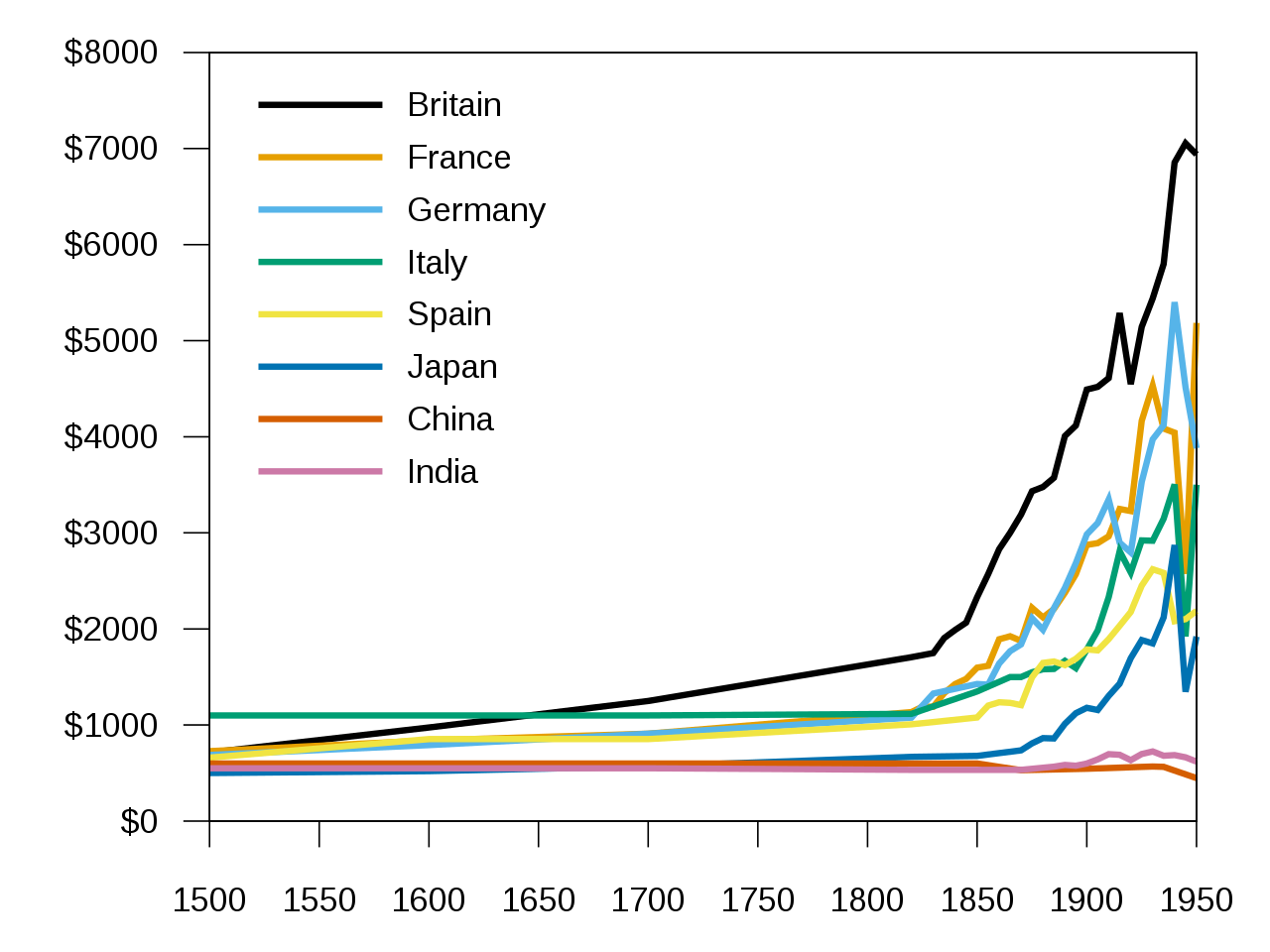
50.00% - Great Divergence